
Medical disclaimer: This information is educational and not a substitute for a doctor’s consultation. It does not provide personal medical advice or prescriptions. Always follow your clinician’s guidance and the official medication instructions.
Viagra: what it is and what to do
Quick summary in 30 seconds
- Viagra is a brand-name medication commonly used to treat erectile dysfunction (ED).
- It works by improving blood flow to help achieve and maintain an erection with sexual stimulation.
- It is not an aphrodisiac and does not increase sexual desire.
- Medical evaluation is important to ensure it’s safe and appropriate for you.
What is “Viagra” (definition in simple terms)
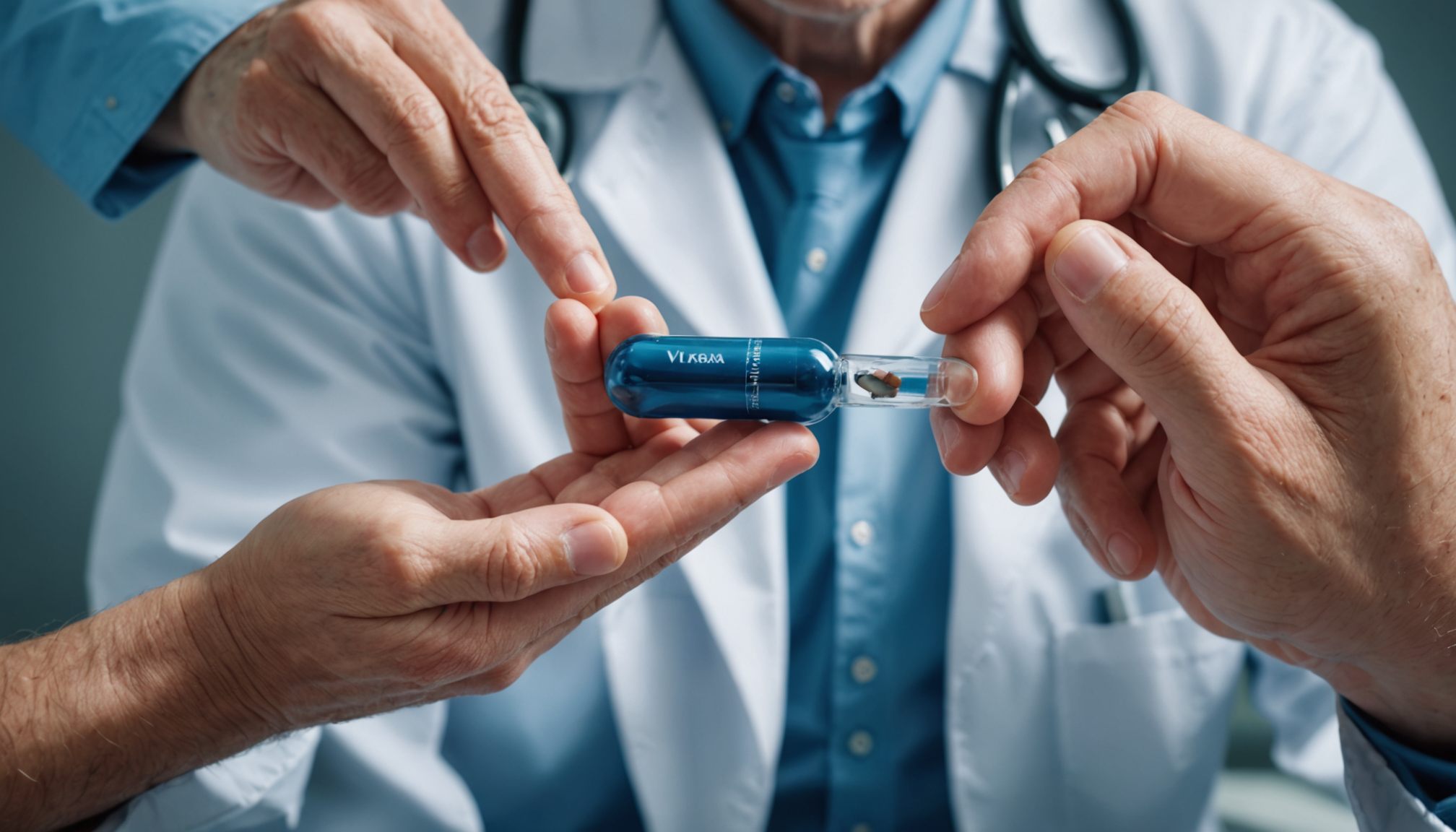
Viagra is the brand name for sildenafil, a medication approved to help men with erectile dysfunction achieve and maintain an erection suitable for sexual activity. Erectile dysfunction means having ongoing difficulty getting or keeping an erection.
In simple terms, Viagra helps relax certain blood vessels, allowing more blood to flow to the penis during sexual stimulation. It does not cause an automatic erection and does not work without arousal.
While Viagra is widely recognized, it is only one option among several treatments for ED, and it may not be suitable for everyone.
Causes and risk factors
Viagra treats the symptom (erectile dysfunction), not the underlying cause. ED itself can result from a mix of physical, psychological, and lifestyle factors.
- Cardiovascular conditions: High blood pressure, atherosclerosis, heart disease.
- Metabolic disorders: Diabetes and obesity.
- Hormonal issues: Low testosterone (hypogonadism).
- Neurological conditions: Stroke, spinal cord injury, multiple sclerosis.
- Psychological factors: Stress, anxiety, depression, relationship difficulties.
- Lifestyle factors: Smoking, excessive alcohol use, sedentary habits.
- Medications: Some antidepressants, blood pressure drugs, and others.
Because ED can be an early sign of cardiovascular disease, it should not be ignored.
Symptoms and how to distinguish from similar conditions
The main symptom addressed by Viagra is persistent difficulty with erections. However, it’s important to differentiate ED from other sexual health concerns.
| Symptom | What it may mean | What to do |
|---|---|---|
| Difficulty getting an erection | Possible erectile dysfunction | Discuss with a healthcare professional |
| Loss of sexual desire | Libido or hormonal issue | Hormonal and psychological evaluation |
| Ejaculation problems | Different sexual dysfunction | Separate assessment needed |
| Occasional performance issues | Normal variation or stress-related | Lifestyle and stress management |
Diagnosis (how it is usually confirmed, what tests/examinations are common)
There is no single “Viagra test.” Instead, clinicians diagnose erectile dysfunction and evaluate whether sildenafil may be appropriate.
- Medical history: Symptoms, duration, medications, lifestyle factors.
- Physical examination: Cardiovascular, neurological, and genital assessment.
- Blood tests: Glucose, cholesterol, testosterone (when indicated).
- Psychological screening: Stress, anxiety, or depression.
In some cases, additional tests may be recommended to assess blood flow or nerve function, but these are not routine for everyone.
Treatment and approaches (overview of options without prescribing treatment to the reader)
Viagra is one of several evidence-based options for managing erectile dysfunction. A clinician will help determine the most appropriate approach.
- Oral medications: PDE5 inhibitors such as sildenafil (Viagra) and others.
- Lifestyle changes: Exercise, smoking cessation, weight management.
- Psychological support: Counseling or sex therapy when stress or anxiety plays a role.
- Mechanical aids: Vacuum erection devices.
- Medical or surgical options: Considered in selected cases.
Never combine ED medications with nitrates or use them without medical advice.
Possible complications and when to see a doctor urgently (red flags)
Viagra is generally well studied, but like all medications, it can have side effects.
Seek urgent medical care if you experience:
- Chest pain, severe dizziness, or fainting.
- Sudden vision or hearing loss.
- An erection lasting longer than 4 hours (priapism).
- Severe allergic reactions (swelling, difficulty breathing).
Persistent ED itself should prompt a medical review, as it may signal underlying health issues.
Prevention and lifestyle
While Viagra can help manage symptoms, addressing root causes improves overall health and sexual function.
- Maintain regular physical activity.
- Adopt a heart-healthy diet.
- Limit alcohol and avoid tobacco.
- Manage stress and sleep adequately.
- Attend regular health checkups.
Updates on healthy living and men’s health trends are often discussed in our latest medical news section.
FAQ
- Is Viagra a cure for erectile dysfunction?
No. It helps manage symptoms but does not cure underlying causes. - Does Viagra work for everyone?
No. Effectiveness varies depending on the cause of ED. - Can younger men use Viagra?
Only after medical evaluation; age alone is not the deciding factor. - Does it increase sexual desire?
No. It supports physical response, not libido. - Is it safe to buy online?
Only from legitimate pharmacies with a prescription. - Are there natural alternatives?
Lifestyle changes may help; evidence for supplements is limited. - Can women take Viagra?
It is not approved for female sexual dysfunction. - What if it doesn’t work?
Other treatments may be considered with a clinician.
Sources
- U.S. Food and Drug Administration (FDA)
- UK National Health Service (NHS)
- Mayo Clinic
- Urology Care Foundation
For broader discussions beyond clinical guides—such as health technology updates, event coverage, or community highlights—visit our uncategorized resources hub, explore insights from scheduled medical expos, or check out our occasional special giveaways.